End-to-end AI engineering, from the GPU up

Your AI product, built and running

We take an idea to a product people use: the app, the agents and MCP servers behind it, custom models where they pay off, and the GPU infrastructure it runs on. One team, for organisations across Europe.

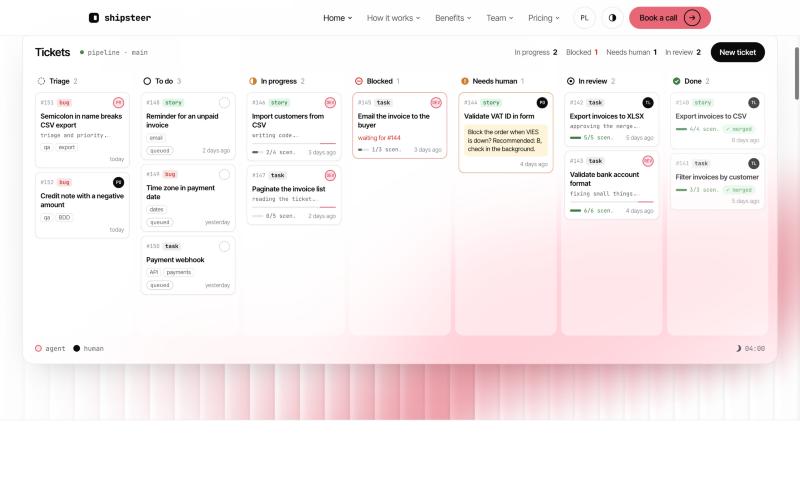
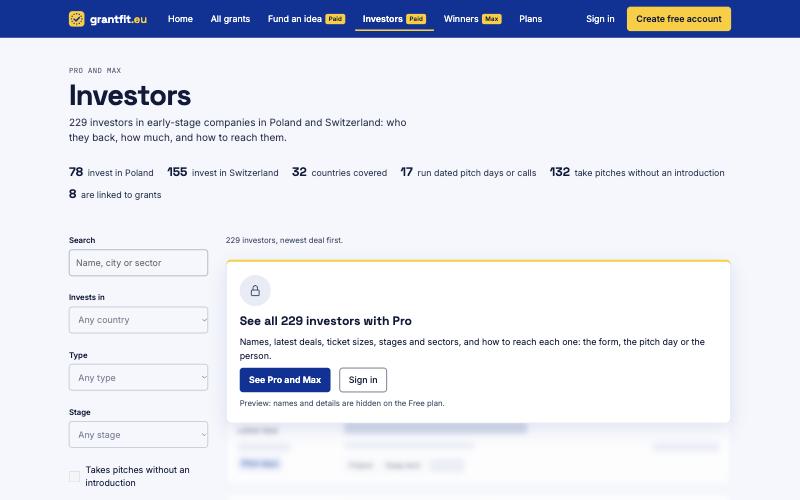
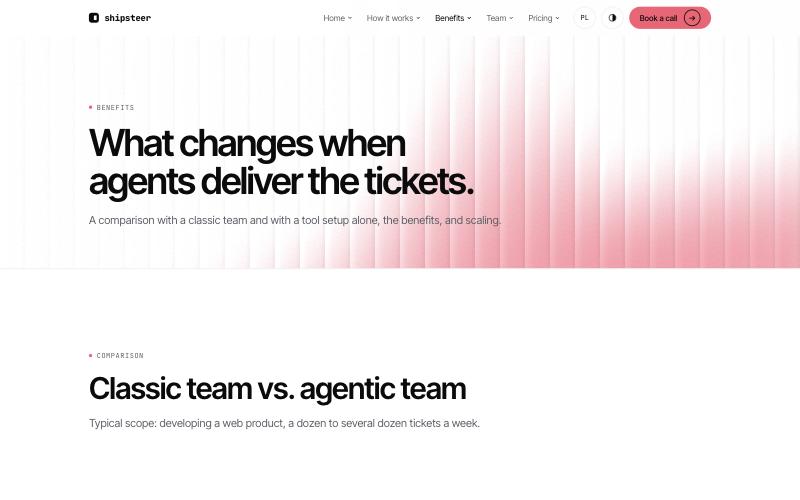
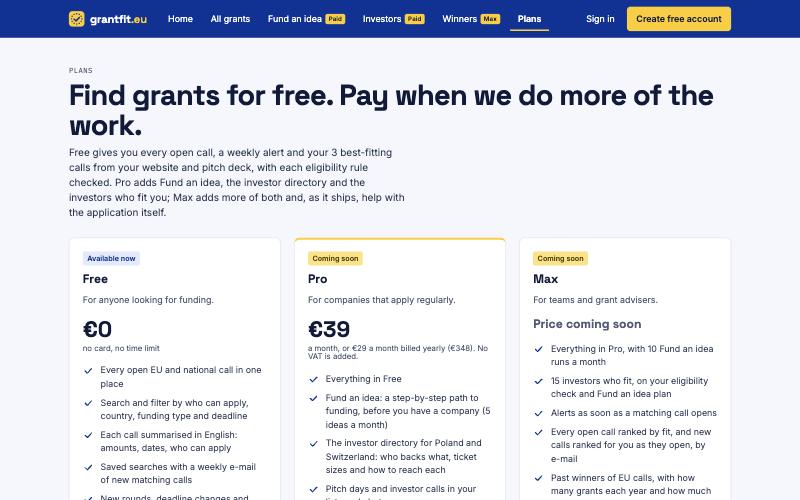
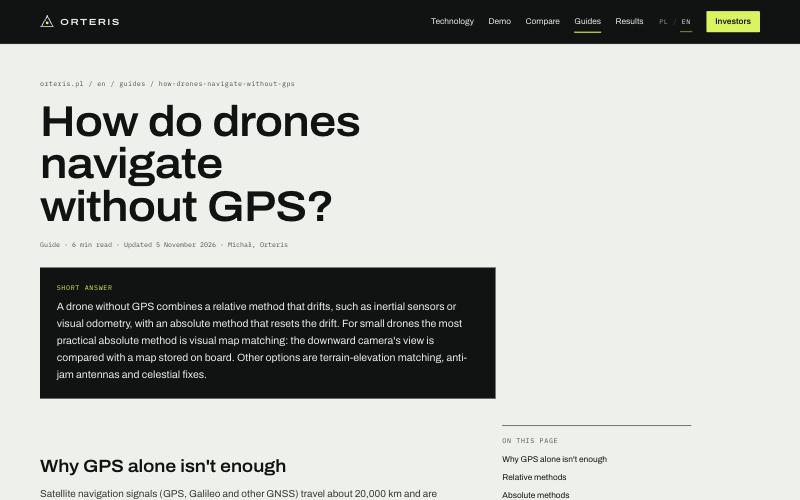
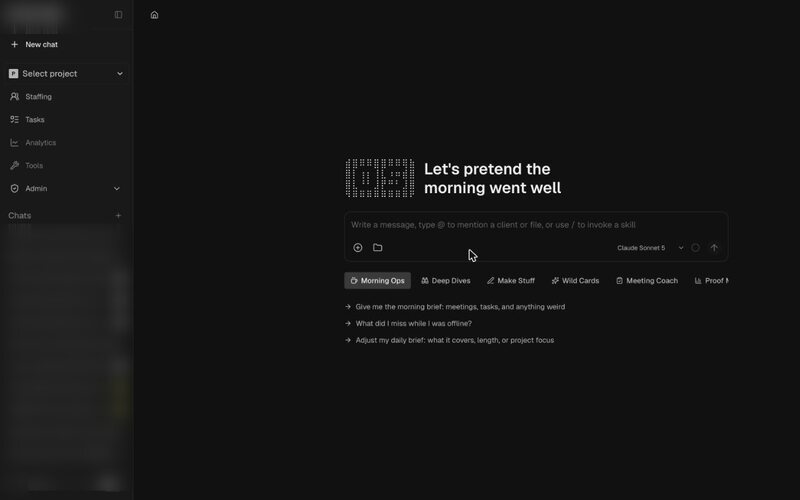
Screens from our builds, seen through reeded glass
Commission from model, cloud or tool vendors. We earn nothing from which model you pick
0
Products designed and built, live or in pilot
9
Videos produced on Flow by one agency’s studio teams
2,500+
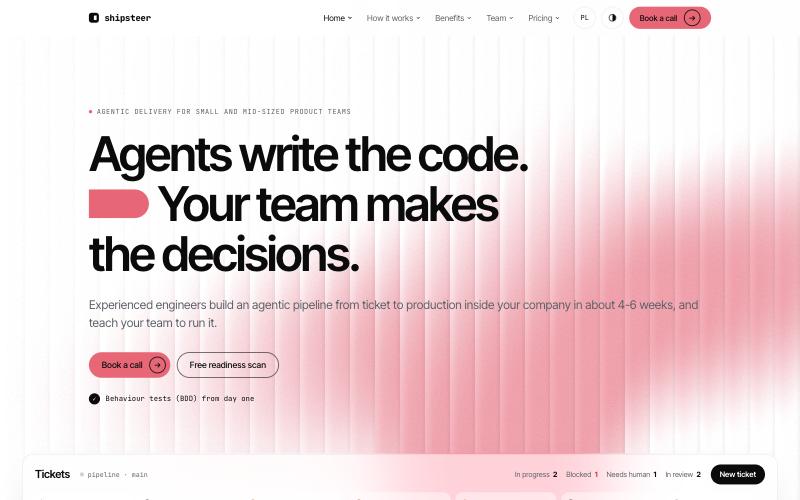
Tickets taken by agents on a ShipSteer pipeline
684
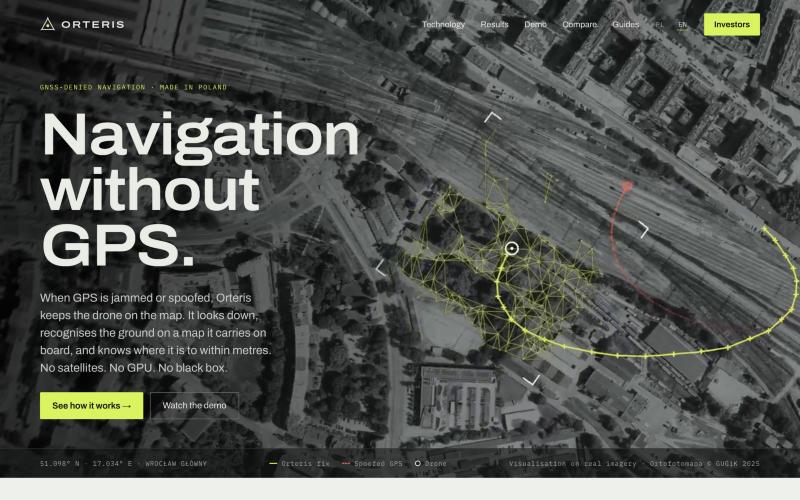
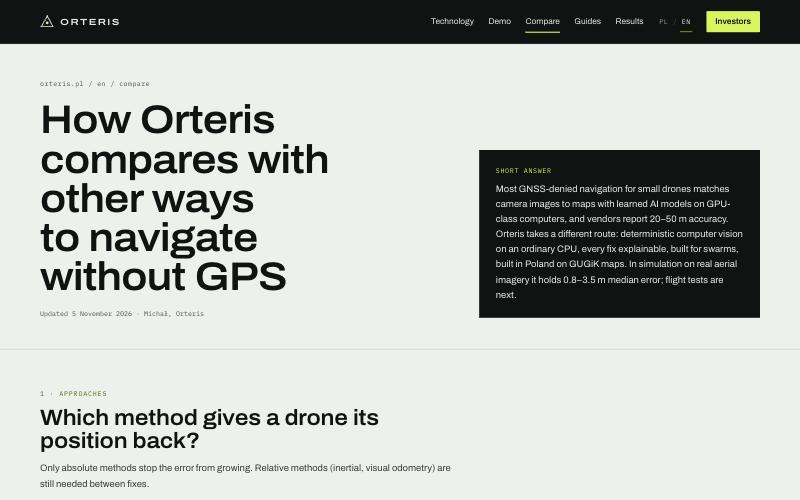
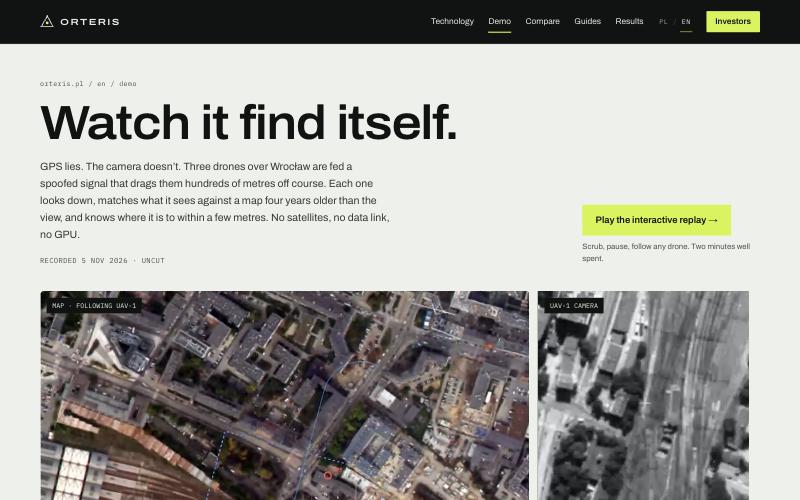
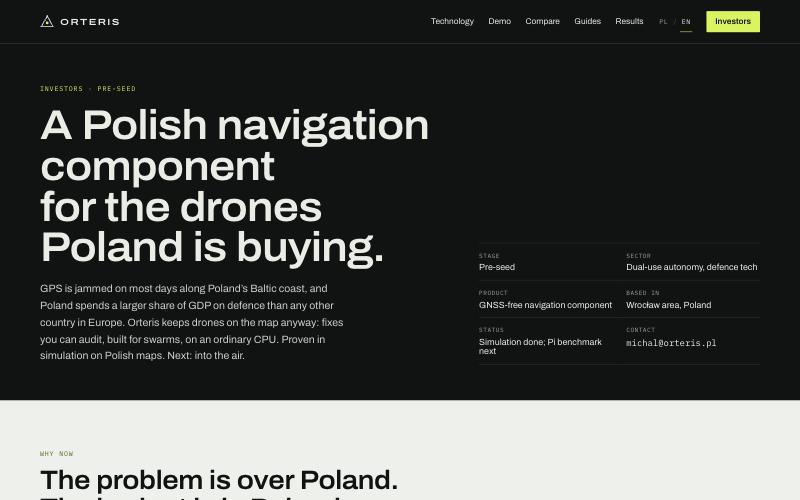
Per Orteris position fix, on one CPU thread, no GPU
12 ms

Shipped, not pitched

Nine products we designed and built end to end. Every one is live or in pilot, and every link below opens the real thing.

All work and case studies
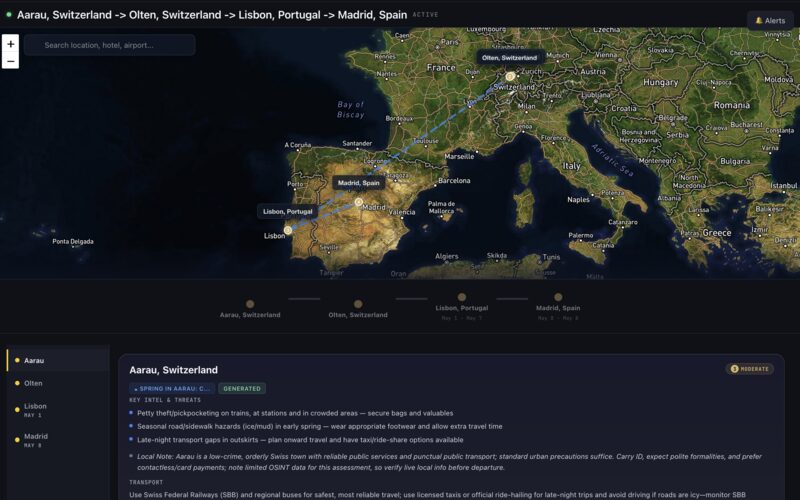
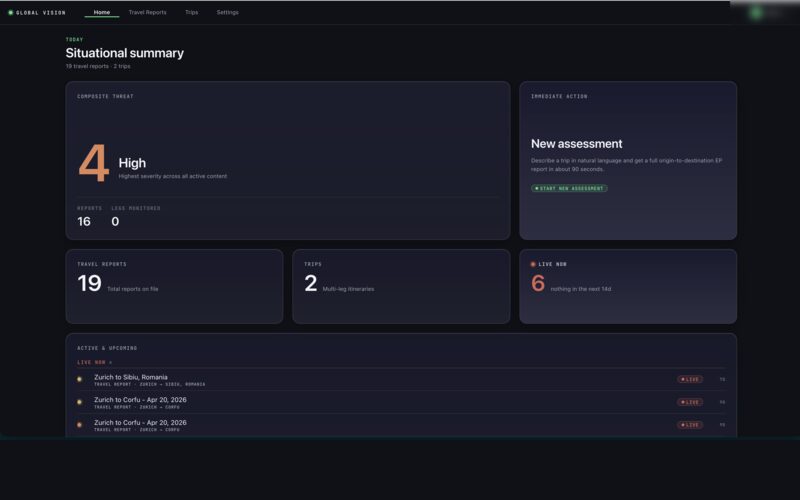
Global Vision trip map: a four-leg demo itinerary across Switzerland, Portugal and Spain with a risk level for each leg
Travel security intelligence

Global Vision

Trip risk reports for executive-protection teams, written from its own OSINT data platform and re-checked every 30 minutes.

40+OSINT tools behind each report
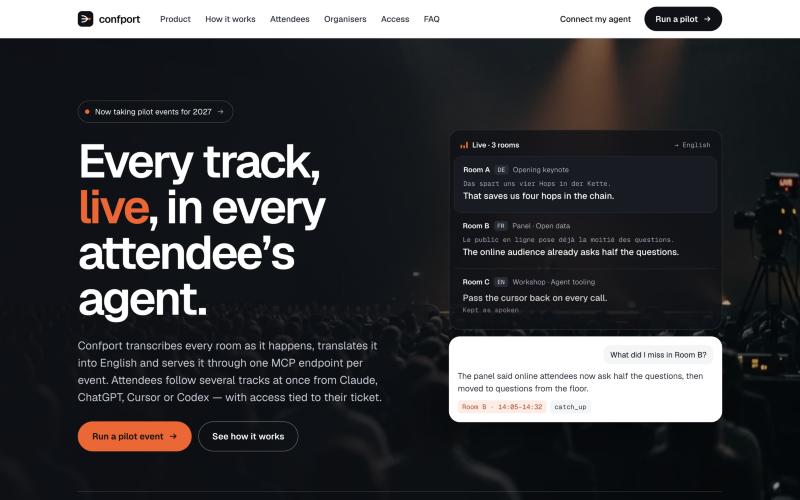
Confport homepage: live transcripts of three conference rooms answered in an attendee’s agent
Live events

Confport

Every room transcribed live, translated and served through one MCP endpoint to attendees’ agents.

Every roomMultilingual, live
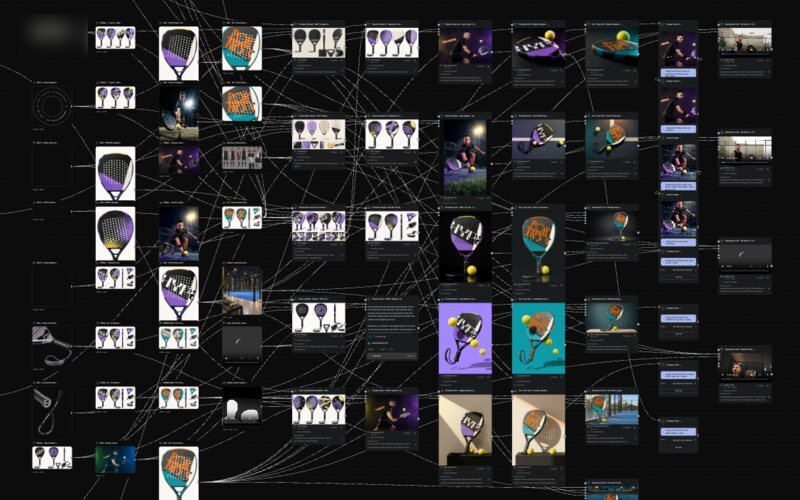
Flow production canvas: brand references and product shots of a padel racket feeding image and video generation nodes
Creative pipeline

Flow

A production canvas for generative image, video and audio, driven from Claude, with a Premiere Pro panel.

2,500+High-quality videos produced
AgencyOS assistant: a morning brief prompt with skills for morning ops, deep dives, making content and meeting coaching
Agency operating system

AgencyOS

Slack, meetings, e-mail and tasks in one knowledge base, with about 30 agents and an assistant that cites its sources.

54Scheduled jobs feeding it
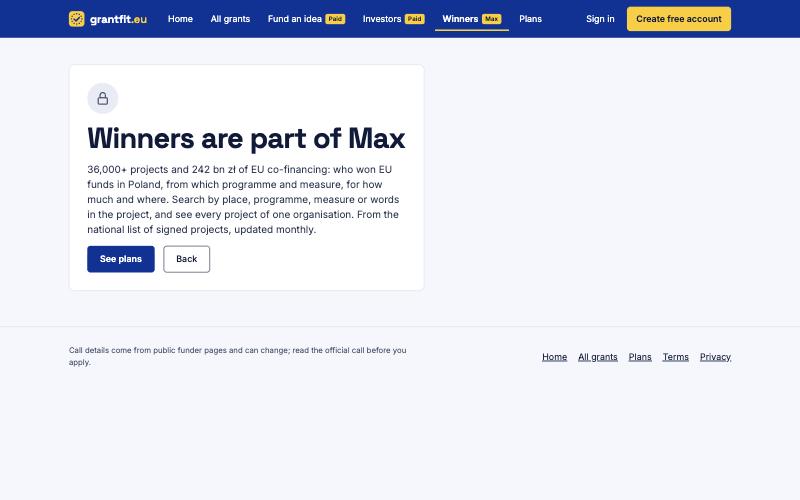
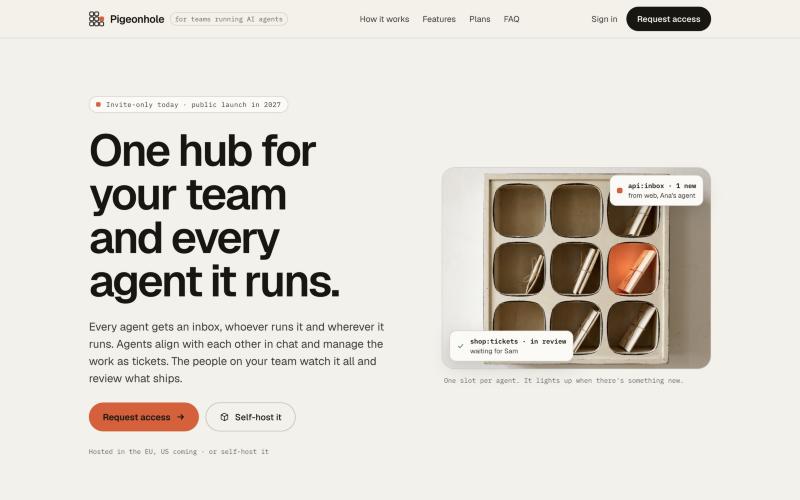
Pigeonhole homepage: one hub for your team and every agent it runs
Agent operations

Pigeonhole

An inbox for every agent, work managed as tickets, and people reviewing what ships.

EU or yoursHosted in the EU, or self-hosted
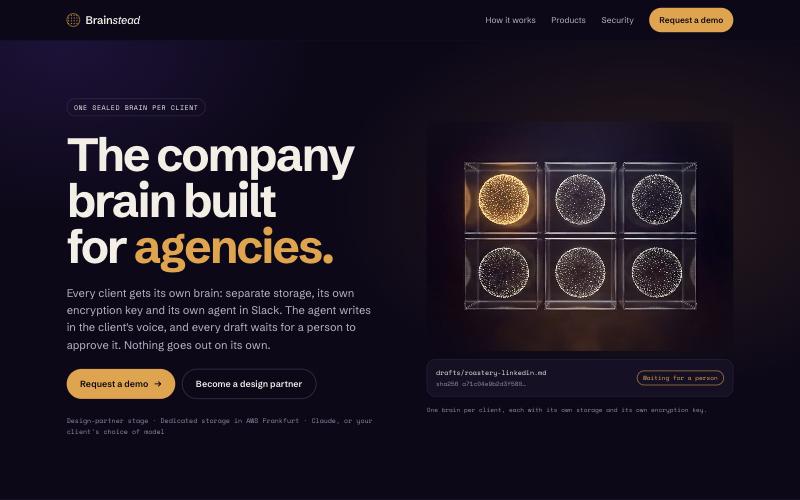
Brainstead homepage: the company brain built for agencies, one sealed brain per client
Agency knowledge

Brainstead

A sealed brain per agency client: its own storage, encryption key and agent. Every draft waits for a person.

Human sign-offNothing goes out on its own

What you get, layer by layer

One team from the GPU to the interface. Take the whole stack, or only the layer you are missing.

  1. Apps and products

    A product people actually use

    The interface, accounts, billing, search and back end, built by the same team that builds the AI inside, so the two never drift apart.

    • Web apps
    • Back ends and APIs
    • Editor plugins
    • Payments

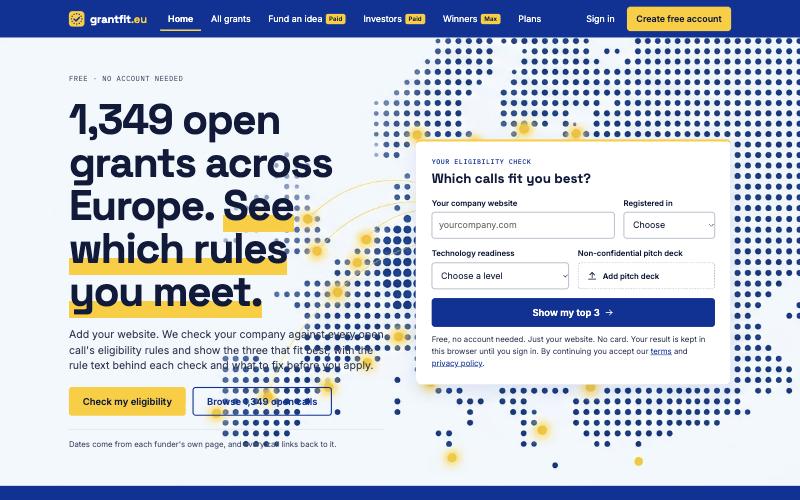
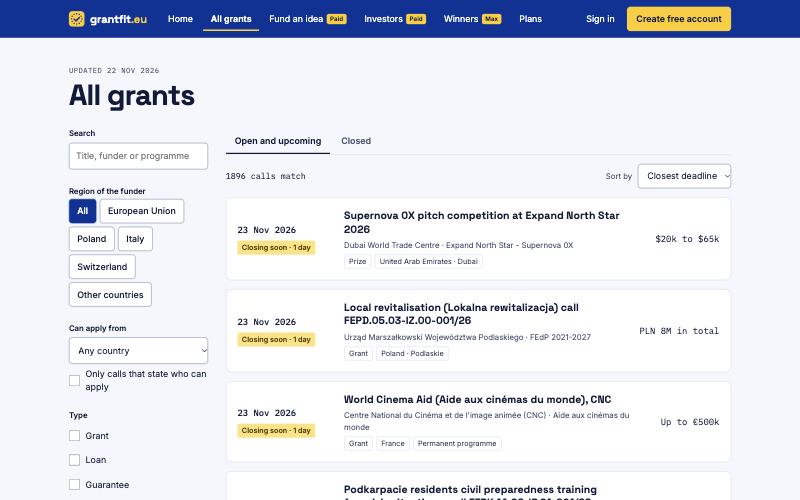
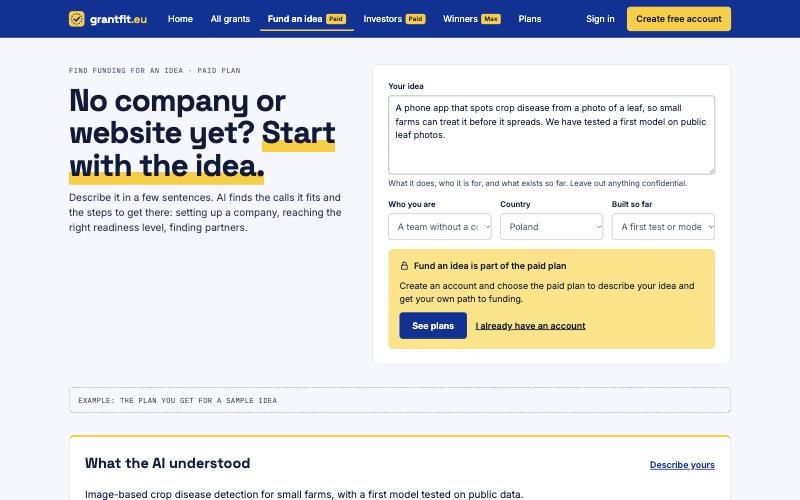
    Built this way: Global Vision, GrantFit, Confport, Pigeonhole, Brainstead, Flow.

  2. Agents and services

    Work done end to end, signed off by a person

    Agents that take real tasks from start to finish, read-only by default, with approval for every change and a log of every step. Plus the Claude rollout for the people who work beside them.

    • Agent pipelines
    • Human approval
    • Audit logs
    • Claude for teams

    Built this way: ShipSteer, Global Vision, AgencyOS, Brainstead, Pigeonhole.

    Claude rollout guide
  3. MCP servers and integrations

    AI that reaches the systems you already run

    MCP servers and data pipelines that connect Claude, ChatGPT, Cursor and your own agents to your systems, under the permissions they already have.

    • MCP servers
    • Data pipelines
    • OAuth
    • Search and retrieval

    Built this way: Global Vision with 40+ OSINT tools, Flow, AgencyOS, Confport, Pigeonhole.

    MCP server guide
  4. Custom models

    A model that knows your domain

    Fine-tuning and training on your own data when a general model is not enough, including open models such as Bielik and PLLuM for Polish and Apertus from Switzerland, with evaluation sets that prove the gain. Classical computer vision where it beats a neural network.

    • Fine-tuning
    • Evaluation
    • Bielik
    • PLLuM
    • Apertus
    • Computer vision

    Built this way: Orteris, with deterministic vision instead of a neural network.

  5. Infrastructure and GPUs

    Costs you can predict, data that stays where you say

    Kubernetes clusters, GPU nodes and inference serving in your cloud, on your servers or Swiss-hosted. Open models such as Llama, Mistral, Bielik or Apertus benchmarked on your hardware against hosted APIs before you commit.

    • Kubernetes
    • GPU clusters
    • Inference serving
    • Benchmarks

    Benchmarked this way: Orteris, 12 ms per fix on one thread of a 2-core cloud CPU.

Secure by default. Audited end to end

Guardrails are built into every layer from the first sketch, not added before launch. You can see what every agent did, who approved it and which data it touched.

Audit trailAllowedWaiting for a personBlocked
TimeWhoActionDataResult
09:14:02Invoice agentRead the latest contract for a clientCRM · contractsAllowed
09:14:05Invoice agentDrafted a payment reminder e-mailE-mail · draftWaiting for a person
09:16:40Anna M.Approved and sent the reminderE-mail · sentAllowed
09:17:12Invoice agentTried to change an invoice amountERP · invoicesBlocked: write not enabled
09:20:31Research agentOpened a web page with hidden instructionsWeb · supplier siteBlocked: instructions removed
Sample entries showing what an audit trail records: every read, every draft waiting for approval, every approval with a name, and every action a guardrail stopped.

Security

Least privilegeEach agent gets only the tools and data its job needs. People sign in with OAuth and act under their own permissions.
Secrets stay secretKeys live in a secrets manager, never in prompts or code. Separate encryption keys per client where data must never mix.
Your data, your locationSwiss-hosted, in your cloud or on your servers. Client data never trains public models.
Isolated infrastructureKubernetes namespaces and network policies, with models served inside your perimeter when data cannot leave it.

Guardrails

Read-only by defaultAnything that creates, changes or sends waits for a named person to approve it.
Checks on what goes in and outHidden instructions in documents and web pages are stripped, personal data is masked where it is not needed, and drafts are checked against your policy.
Limits and a stop buttonSpend caps, rate limits and scope limits for every agent, and a switch that stops any agent at once.
Evaluation gatesA test set runs before every release. A change that lowers the score does not ship.

Audit

Every call loggedWho asked, which agent acted, what it read, what it changed and when.
Approvals with a nameEach approval records the person and the exact version they approved.
Retention you setLogs kept as long as you decide, at least six months where the EU AI Act asks it of high-risk systems, and exportable on request.
Documentation from the logsRecords of processing, impact assessments and technical files built from the same trail.

In production in Global Vision: single sign-on through Entra ID and Okta, per-organisation encryption keys and an audit log. The same logs and controls produce the paperwork: see revFADP compliance for AI and the EU AI Act for Swiss companies. How we handle your data ourselves: trust and security.

Three ways to start

Start as small as a call. Each step ends with something you keep, and you decide whether to take the next one.

Free

A first call

Thirty minutes with an engineer who will build it, about the idea at whatever stage it is.

  • An architecture sketch for your idea
  • A short list of what to build first
  • An honest no, if AI is not the answer
Free30 minutes, by videoBook the call
Fixed scope

Architecture check

Before anyone writes code: the use cases ranked, every layer designed, and the costs worked out.

  • Use cases ranked by value and risk
  • Architecture from GPU to interface
  • Cost model: your own GPUs against hosted APIs
From €10,0002–3 weeks, fixed price agreed up frontAsk for an architecture check
Fixed scope

A pilot

One use case built for real, on your data, with real users and success criteria agreed before we start.

  • A working slice in production
  • Evaluation against the agreed criteria
  • A plan and price for the full build
Priced after the check4–8 weeks, fixed scope and pricePlan a pilot

Senior engineers. No black boxes

The people who scope your project build it, and explain every decision along the way. Calls and workshops run in English, Polish, German or French.

Meet the team

The people who scope it build it

No hand-off from sales to a junior team. The engineers on the first call write the code.

Vendor-neutral

No commission from model, cloud or tool vendors, so we recommend what fits your problem.

Explained, not magic

Every decision written down: why this model, why this hosting, what it costs and what it cannot do.

You own every layer

Code, models, infrastructure as code, runbooks and training are handed over, so you can run it without us.

Common questions

What does Knowlytica do?

We build AI end to end: GPU infrastructure on Kubernetes, custom models, MCP servers and agents, and the finished app, from first concept to production, with the governance to run it under the revFADP and the EU AI Act.

Do we need our own GPUs?

Not always. We benchmark open models on your own or rented GPUs against hosted APIs for cost, speed and where the data goes, and recommend what fits. Many systems mix both.

How much does it cost?

The first 30-minute call is free. The architecture check and pilots are fixed in scope and price before we start; full builds are quoted in a written proposal. We do not sell software licences.

What isn’t Knowlytica?

Not a software reseller and not paid commission by AI vendors. Not a law firm either: compliance work produces the documentation and controls, and your counsel signs off.

Does it work with Claude, ChatGPT and our tools?

Yes. We connect models to your systems through MCP, so the same agents work from Claude, ChatGPT, Cursor or your own apps.

Where is our data stored?

Where you decide: Swiss-hosted, in your own cloud or on your own servers. Client data is never used to train public models.

First call. 30 minutes

Tell us the idea, at any stage. You leave with an architecture sketch and a short list of what is worth building first, whether or not we work together.

Or write to [email protected]

Where do you want to start?